
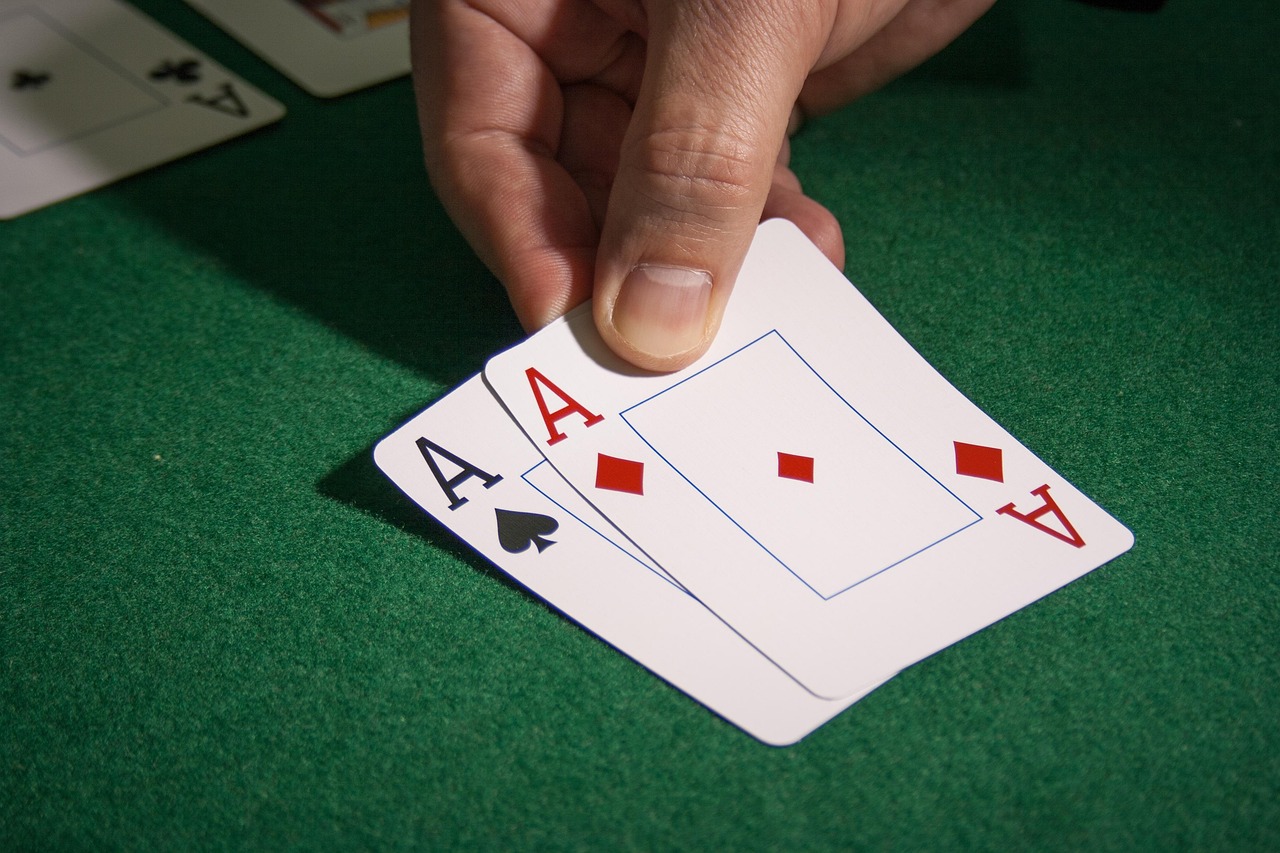
You've seen the flashing banners and the influencer streams. You've heard the stories of a $0.50 spin turning into a five-figure payout. But here's the uncomfortable truth that the glossy marketing rarely mentions: the house always has an edge. That doesn't mean you can't enjoy iGaming or even walk away ahead—it just means you need to understand the mechanics before you open your wallet. I've spent the better part of a decade covering the online casino and sports betting industry, talking to everyone from slot developers to professional poker players. What follows is the unvarnished version of what actually matters.
Slots Aren't Random (They're Mathematical)
Pop quiz: what's the difference between a low-volatility slot and a high-volatility one? Most players shrug and tap the spin button anyway. That's a mistake. Slot machines, whether physical or digital, are governed by something called Return to Player (RTP)—a percentage that tells you how much of all wagered money is paid back over millions of spins. A 96% RTP slot means the house keeps 4% in the long run. But here's the nuance: RTP isn't a promise for your session. You could hit a 2,000x jackpot on your first spin or lose 200 spins straight.
The real kicker is volatility. Low-volatility slots like Starburst (RTP around 96.1%) pay small amounts frequently. High-volatility titles like Book of Dead (RTP 96.2%) can leave you dry for hours before a massive drop. Neither is 'better'—but your bankroll strategy should differ entirely. If you have a $50 budget, playing a high-volatility slot with $2 spins is a recipe for a 25-spin burnout. Pros often drop to $0.10–$0.20 spins on high-volatility games just to survive long enough for the bonus round.
- Always check the RTP—it's often buried in the game's help menu. Anything below 95% is stingy.
- Match volatility to your budget: small budget? Low volatility. Big budget and patience? High volatility.
- Ignore 'hot' and 'cold' machine theories. Each spin is independent thanks to random number generators (RNGs).
Poker: The Only Game Where You Play Against People, Not the House
Here's why poker remains the most intellectually honest game in iGaming: you're not fighting a 4% house edge on every hand—you're fighting other players. The casino takes a small cut (the rake), typically 5% of the pot up to $3. But that rake adds up, which is why winning players are selective about which tables they join.
If you're new to online poker, don't jump into no-limit hold'em cash games with $100. Start with micro-stakes ($0.01/$0.02 blinds) or low-buy-in tournaments ($1–$5 sit-and-gos). The skill gap between $0.02/$0.05 and $1/$2 is enormous. I've seen confident home-game heroes lose their entire deposit in 45 minutes because they didn't respect position or pot odds.
One concrete tip: track your hands. Not mentally—use a tracker like PokerTracker or Hold'em Manager. After 10,000 hands, you'll see leaks you never knew existed: calling too many raises out of position, folding too often to river bets, or overvaluing top pair. Data beats intuition every time. สล็อต goes into the finer points.
Three poker mistakes that bleed money
- Playing too many starting hands. In a 6-max game, you should voluntarily put money in the pot less than 25% of the time.
- Ignoring table position. Acting last gives you information. Acting first is a disadvantage—play tighter from early seats.
- Chasing draws without implied odds. If you're drawing to a flush, you need at least 4:1 pot odds—or the promise of future bets—to justify the call.
Sports Betting: The Line Is Smarter Than You
Every bettor thinks they've found an edge on a Sunday afternoon. 'The Chiefs are undervalued!' 'The over looks easy!' But the betting line is a consensus of millions of dollars from sharp bettors, computer models, and market makers. That -110 juice on a standard point spread means you need to win 52.4% of your bets just to break even. Most recreational bettors win around 48–50%. Do the math.
That's why line shopping is non-negotiable. Different sportsbooks offer different odds on the same game. A bet at -105 instead of -115 saves you real money over 100 bets. If you're betting $50 per game, the difference between -105 and -115 is roughly $217 over a full NFL season—just by picking the better number. Use odds comparison sites (many are free) and have accounts at three or four reputable books.
Also, forget parlay lottery tickets. A 6-team parlay with -110 legs has a payout of about 47-to-1, but the true odds of hitting all six are closer to 1 in 64. The house edge on parlays can exceed 20%. Stick to straight bets or small teasers unless you're purely gambling for entertainment.
- Never bet on your favorite team. Emotional bias costs more than any bad line.
- Track every bet in a spreadsheet—date, sport, pick, odds, stake, result. After 100 bets, you'll know if you're actually profitable.
- Bankroll rule: never risk more than 1–2% of your total bankroll on a single bet.
The Hidden Costs of Bonuses and Promotions
Welcome bonuses look generous: '100% up to $500!' But read the fine print. Wagering requirements of 30x or 40x mean you must bet the bonus amount dozens of times before withdrawing. A $500 bonus with 40x wagering requires $20,000 in total bets. If the casino's house edge is 4%, you'll lose about $800 on average—more than the bonus itself. That's not a gift; it's a leash.
Not all bonuses are traps. Reload bonuses with 20x wagering and low game weights (slots contribute 100%, but blackjack often only 10%) can be worthwhile if you play slowly and stick to high-RTP games. But always calculate the expected value (EV). A simple formula: Bonus – (Wagering Requirement × House Edge) = EV. If the result is negative, walk away.
Final Thought: Play Like You're the House
The casino doesn't rely on luck; it relies on math, discipline, and volume. You can adopt the same mindset. Choose games with the lowest edge (blackjack with basic strategy, video poker with 99%+ RTP, or poker against weak players). Set loss limits before you log in—and actually stick to them. Treat bonuses as tools, not free money. And never chase losses; the machine doesn't know you're due.
iGaming can be genuinely fun when you approach it with clear eyes. The players who last aren't the ones who hit the biggest jackpots—they're the ones who understand that the house edge is a tax on entertainment, not a personal challenge. Pay for the entertainment, and you'll never feel cheated.


Zhon Andarson
Coding is used in almost all aspects of life and work now, be it directly or indirectly. It’s not just for companies in the tech sector. “An increasing number of businesses rely on computer code,
Andro Smith Doe
Coding is used in almost all aspects of life and work now, be it directly or indirectly. It’s not just for companies in the tech sector. “An increasing number of businesses rely on computer code,